The Shakuhachi: The Intersection of Silent Tradition and Radical Innovation
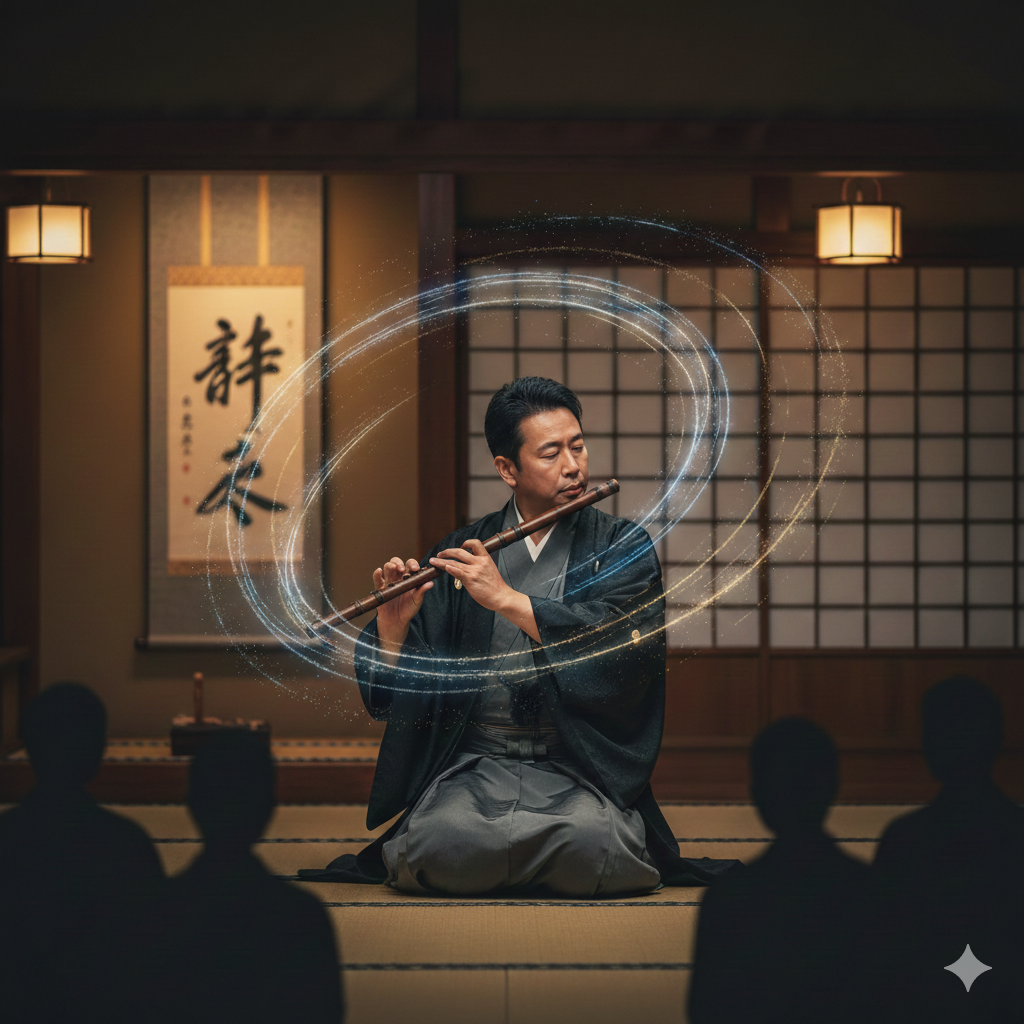
The Shakuhachi is a traditional Japanese end-blown flute made of bamboo. It is one of the most dynamic and fascinating instruments, maintaining its profound historical identity while embracing a global, diverse future.
To understand the contemporary Shakuhachi, we must first look at the unique path it took through history.
1. Historical Background: The Two Roots of the Modern Shakuhachi
The foundation of the modern Shakuhachi was laid during two crucial periods: the Edo period (1603-1868) and the Meiji Restoration (1868).
Root 1: The Edo Period – The Establishment of “Spirituality”
The Komusō Monks and Suizen: The Shakuhachi’s true form and significance solidified during the Edo period. It was adopted as a Buddhist ritual instrument (Hōki) by the Komusō (monks of the Fuke school of Zen Buddhism).
The Path to Enlightenment: For the Komusō, blowing the flute was not musical performance but a form of meditation called Suizen (Blowing Zen). They believed in Ichion Jōbutsu (enlightenment through a single note).
Honkyoku (Original Pieces): The deep, meditative solo repertoire known as Honkyoku was created and passed down orally during this time. These pieces, emphasizing Ma (space/pause) and breath control, remain the spiritual and technical core of the instrument today.
Root 2: The Meiji Restoration – “Secularization” and “Ensemble Music”
Crisis and Transformation: The Fuke sect was abolished in 1871 after the Meiji Restoration, putting the Shakuhachi’s existence at risk. To survive, master players transitioned the instrument from a ritual tool to a musical instrument.
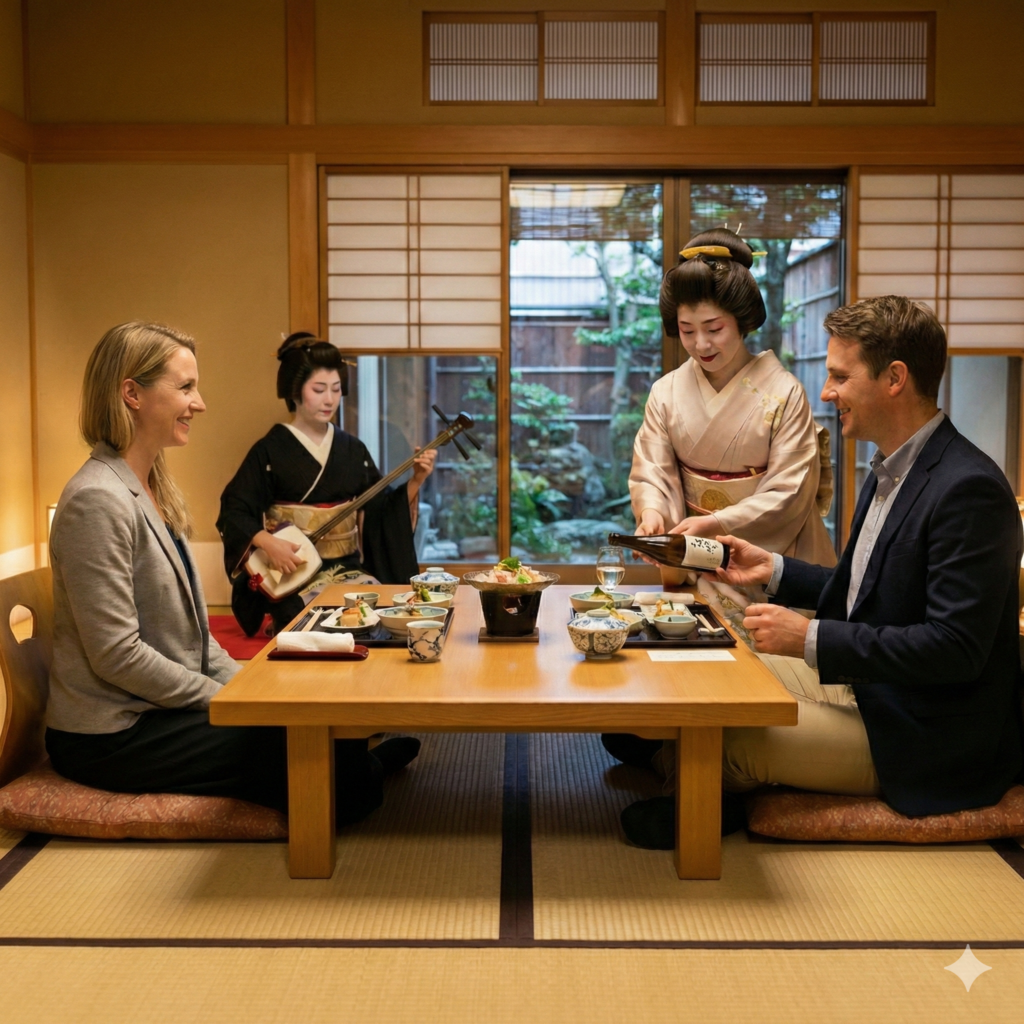
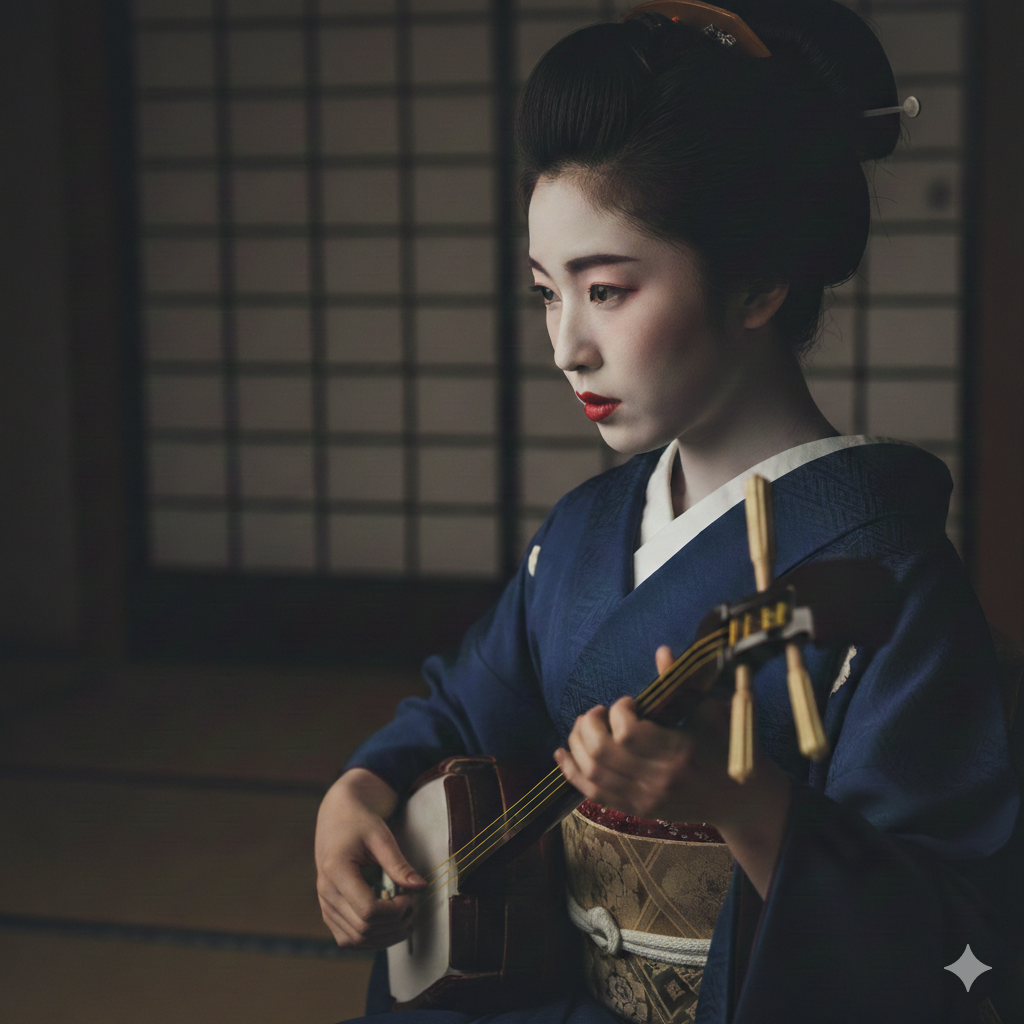
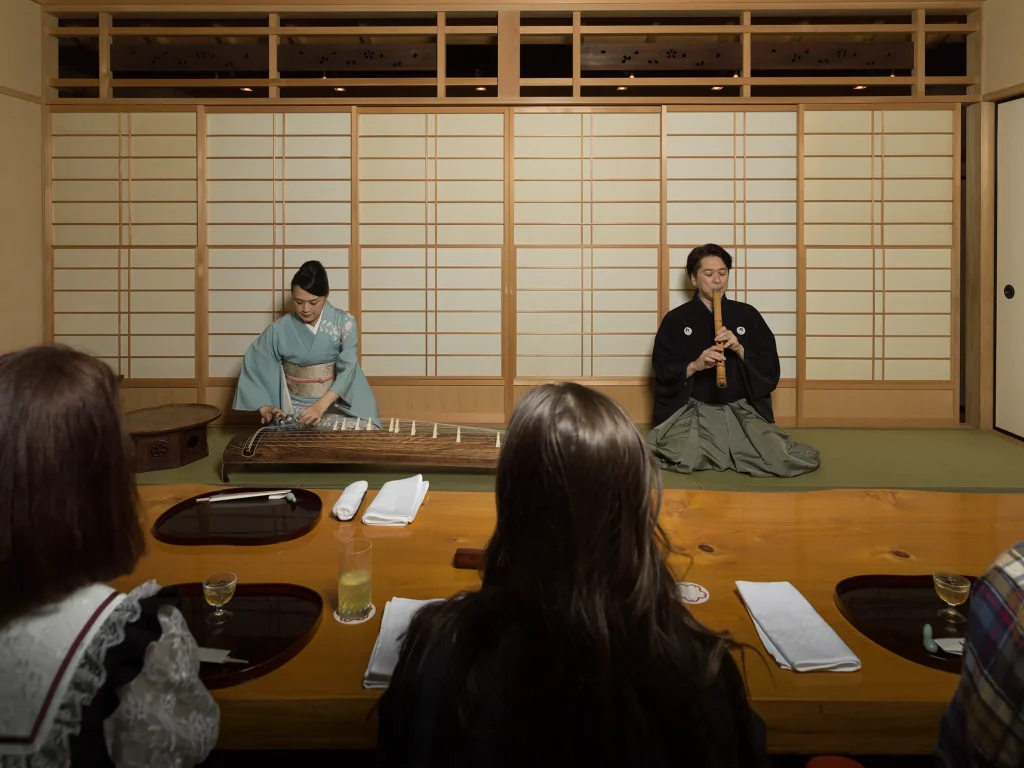
Adaptation to Ensembles: They began actively incorporating the Shakuhachi into Sankyoku (three-instrument ensembles) with the Koto (zither) and Shamisen (lute). This shift from purely meditative solo playing to collaborative, structured music allowed the instrument to survive and gain a new audience.
2. Contemporary Developments: Explosive Diversification
Building upon this dual heritage—profound spirituality and musical adaptability—the modern Shakuhachi has undergone an explosive evolution, particularly since the mid-20th century.
A. Genre Integration and Crossover (Musical Expansion)
Today, the Shakuhachi is considered a universal instrument, capable of fitting into virtually any genre.
Global Jazz and Contemporary Music: The instrument’s ability to produce microtones (intervals smaller than a semitone) and nuanced breath sounds (Muraiki) is highly compatible with the freedom of jazz and the demands of modern classical composition. Composers worldwide now write extensively for the instrument.
Pop Culture Penetration: The Shakuhachi is no longer confined to traditional stages. It is widely used in:
Film and Video Game Scores: Providing atmosphere that ranges from “Japanese” to mystical, tense, or even cyberpunk.
Rock and Electronic Music: Often amplified and run through effect pedals, showcasing its versatility beyond its acoustic roots.
B. Instrument Evolution (Functional Expansion)
The instrument’s design has evolved to meet the demands of modern, Western-influenced music.
Multi-Hole Shakuhachi: The traditional flute has five holes. To play Western scales and complex harmonies more accurately and quickly, many professional players use seven- or nine-hole versions, significantly enhancing its functional range.
New Materials: While true bamboo is preferred, materials like high-grade wood, carbon fiber, and even 3D-printed plastics are now used. These provide greater pitch stability and durability, which is essential for touring and performance in varying climates.
C. Social and Global Spread (Cultural Expansion)
A Global Instrument: The Shakuhachi is no longer exclusive to Japan. Dedicated players and teachers can be found across the US, Europe, and Australia, contributing their own cultural perspectives to the music. International Shakuhachi festivals are regular occurrences.
Open Education: The previously exclusive apprentice-style teaching system has been augmented by formal education in music universities and, increasingly, by online lessons and tutorials. This has made learning the instrument accessible to a far wider, more diverse, and younger demographic, including a significant rise in female performers.
Conclusion
The contemporary Shakuhachi operates on a fascinating dichotomy: it is an instrument that still carries the meditative weight of Edo-era Zen Buddhism, yet is an agile, revolutionary force in the global music scene.
Its survival and prosperity in the 21st century rest on its ability to honor the profound silence of its Honkyoku tradition while fearlessly exploring every musical possibility offered by the modern world.