The Resonance of “Wagakki”: Elevating Well-being Through Japanese Traditional Music
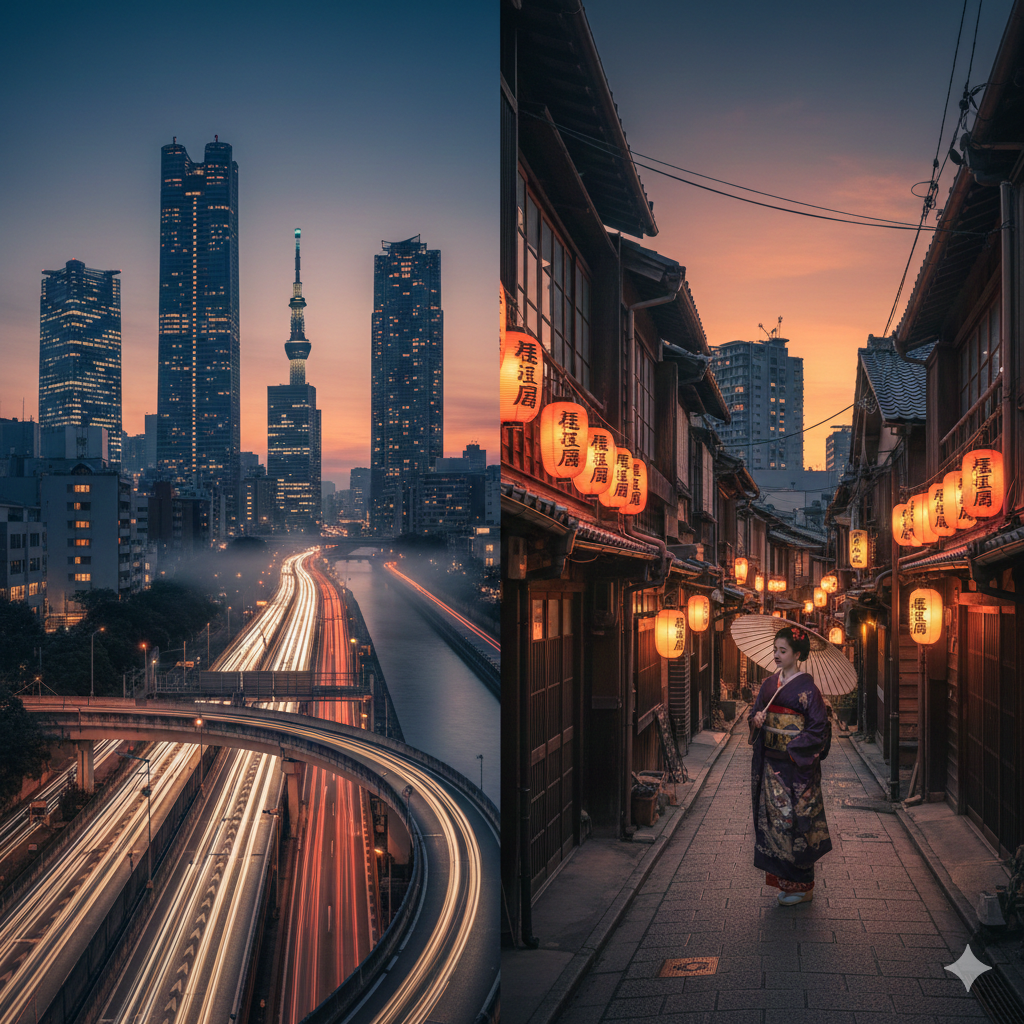
Modern life is filled with digital noise and constant stress. We are often overwhelmed by fast-paced information. As a result, many people are now searching for true “Well-being.”
Interestingly, Japanese traditional arts offer a scientific way to restore balance. Specifically, the live sound of Wagakki (traditional instruments) acts as a tool to “tune” the human mind and body. In this article, we explore how the resonance of Wagakki at the Asakusa Kenban enhances your health.
1. Listening with Your Body: Physical Resonance
Wagakki are unique because they preserve the raw sounds of nature. Unlike Western instruments, they do not use a mathematically perfect scale. Instead, they embrace organic vibrations.
-
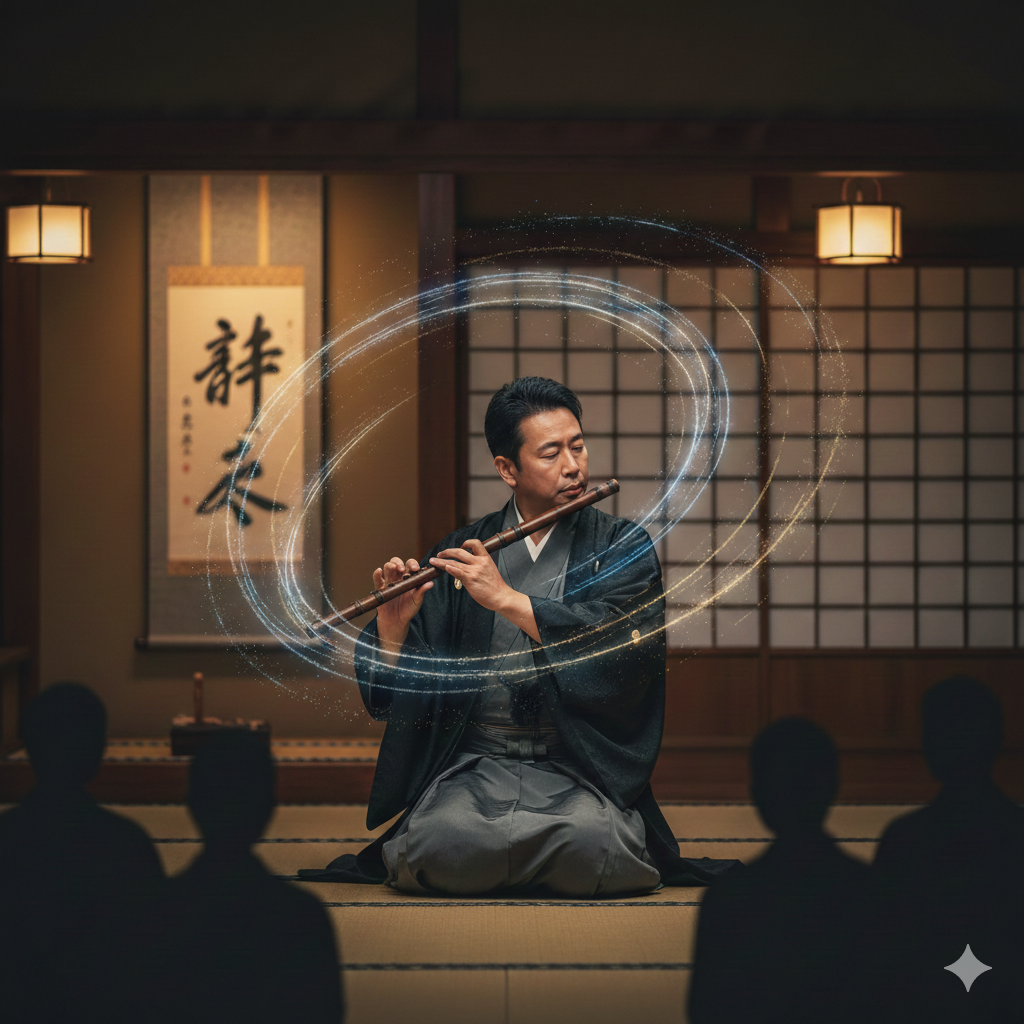
The “1/f Fluctuation” of the Shakuhachi The Shakuhachi (bamboo flute) produces a rhythm known as “1/f fluctuation.” This is the same rhythm found in a gentle breeze. Consequently, these sounds induce alpha waves in the brain, leading to deep relaxation.
-
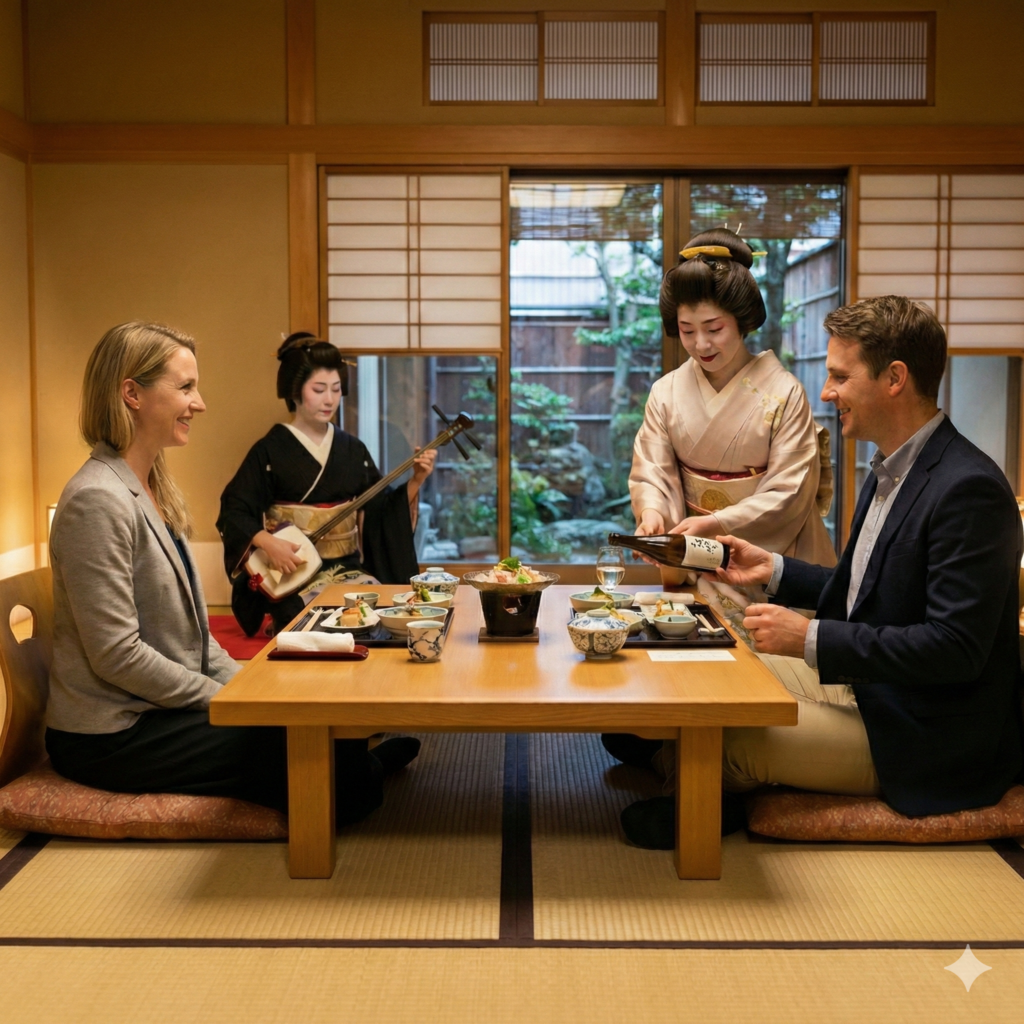
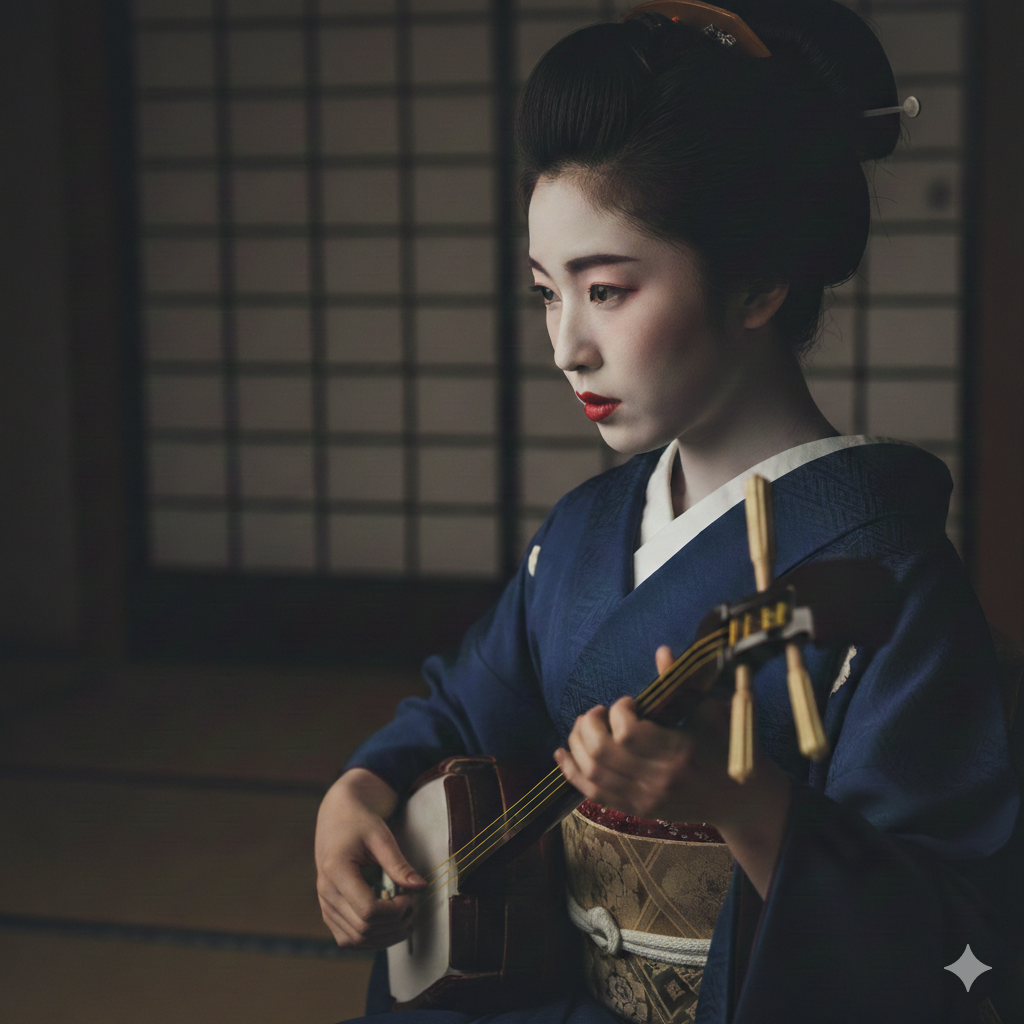
The “Sawari” Effect of the Shamisen The Shamisen creates a unique buzzing resonance called Sawari. This intentional vibration is a masterpiece of Japanese wisdom. Because it resonates through the air, you feel the sound directly against your skin.
2. The Power of High-Frequency Sounds
Recent scientific studies have identified the “Hypersonic Effect” in live Wagakki performances. These instruments produce ultra-high-frequency sounds that exceed the human hearing range.
Digital recordings often cut these sounds out. However, live performances at the Kenban deliver them directly to your brain. As a result, stress hormones decrease and the immune system becomes more active. Staying in such a close-range acoustic environment is like immersing yourself in a “sound spa.”
3. Mindfulness Through “Ma” and Breath
The Shakuhachi is often called the “art of breath.” The performer uses deep abdominal breathing to create each note. Interestingly, this breathing affects the listener’s nervous system too.
This is called the “entrainment” phenomenon. When you synchronize with the performer’s rhythm, your own heartbeat and breathing become calm. In the silence of the Kenban, you can focus on the “here and now.” This is a unique form of Japanese mindfulness.
4. Authentic Self-Care at Asakusa Kenban
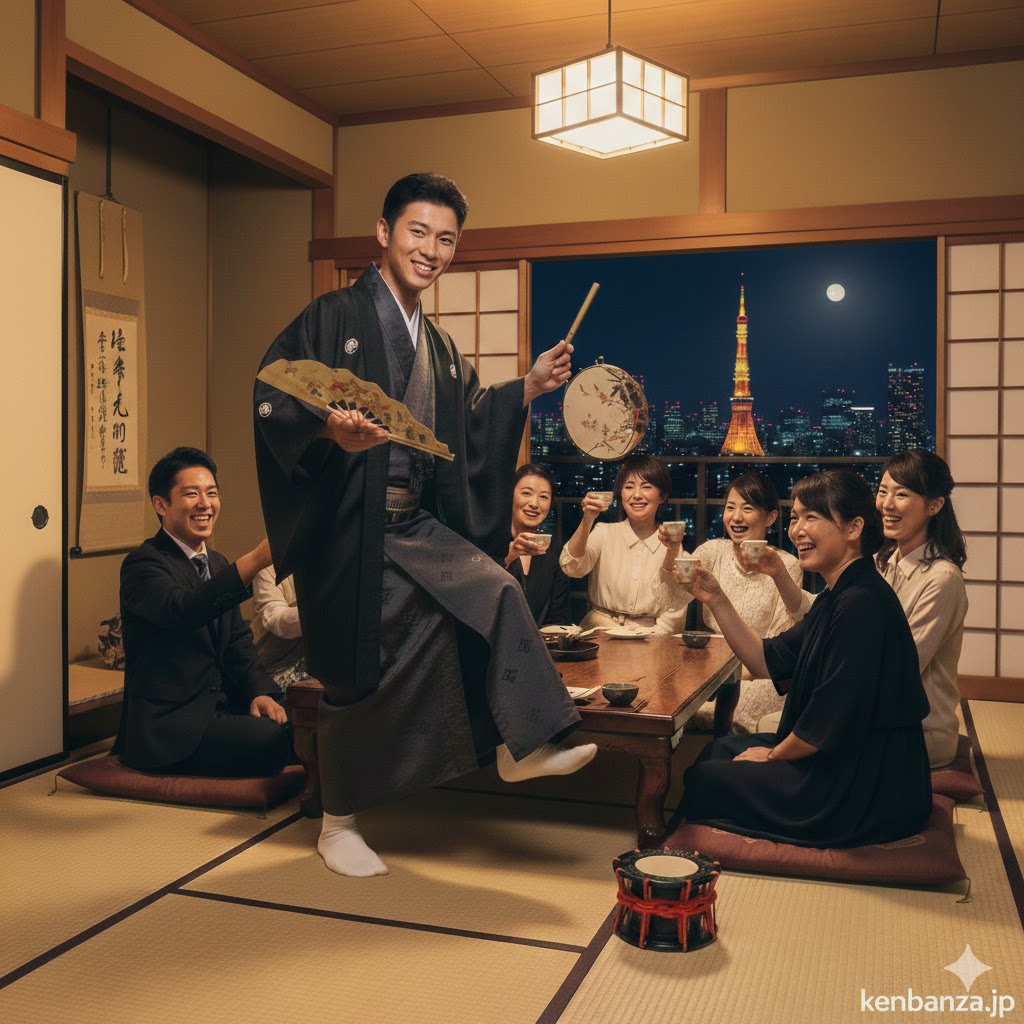
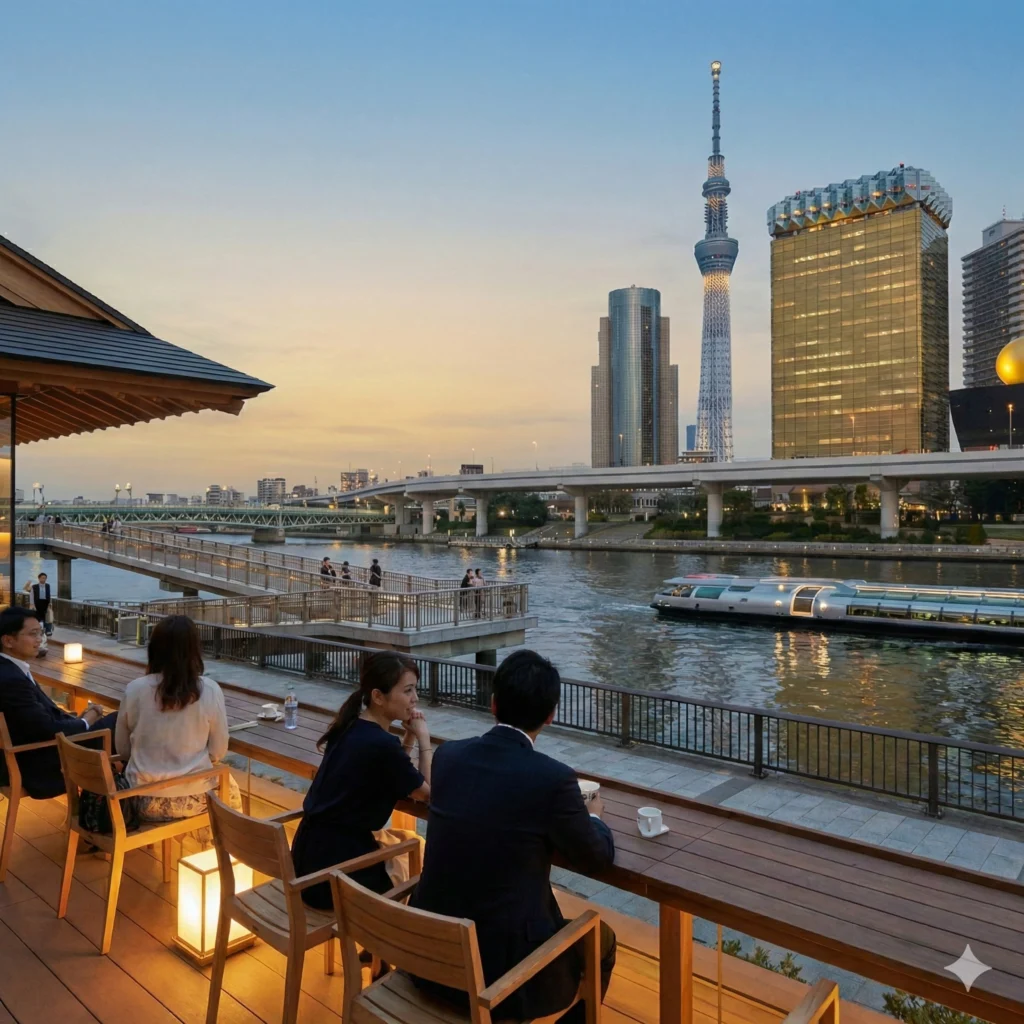
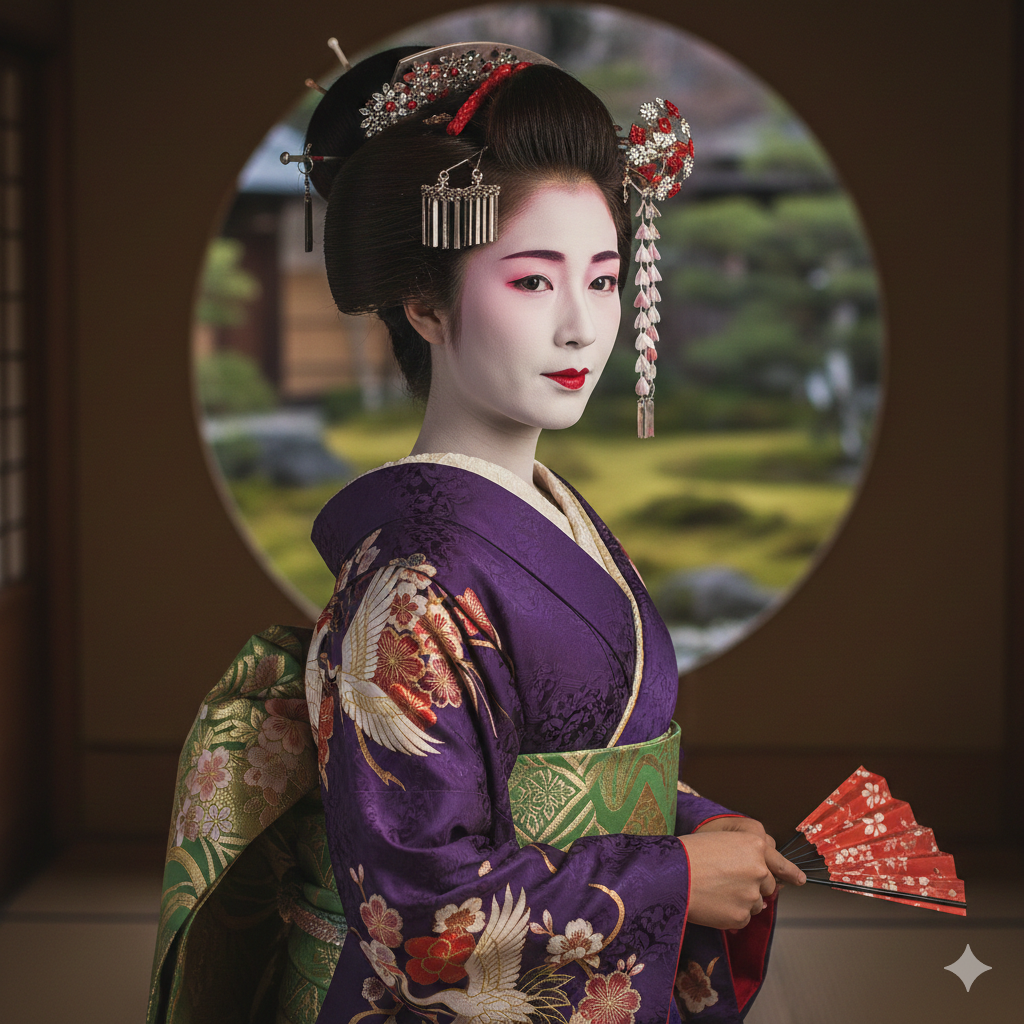
The Asakusa Kenban is a historic sanctuary for traditional arts. Kenbanza does not just offer a show for tourists. We provide a transformative experience.
By bathing in the live vibrations of master players, you can recalibrate your soul. We redefine traditional culture as modern well-being. Please visit us to feel your body resonate with the timeless sounds of Japan.