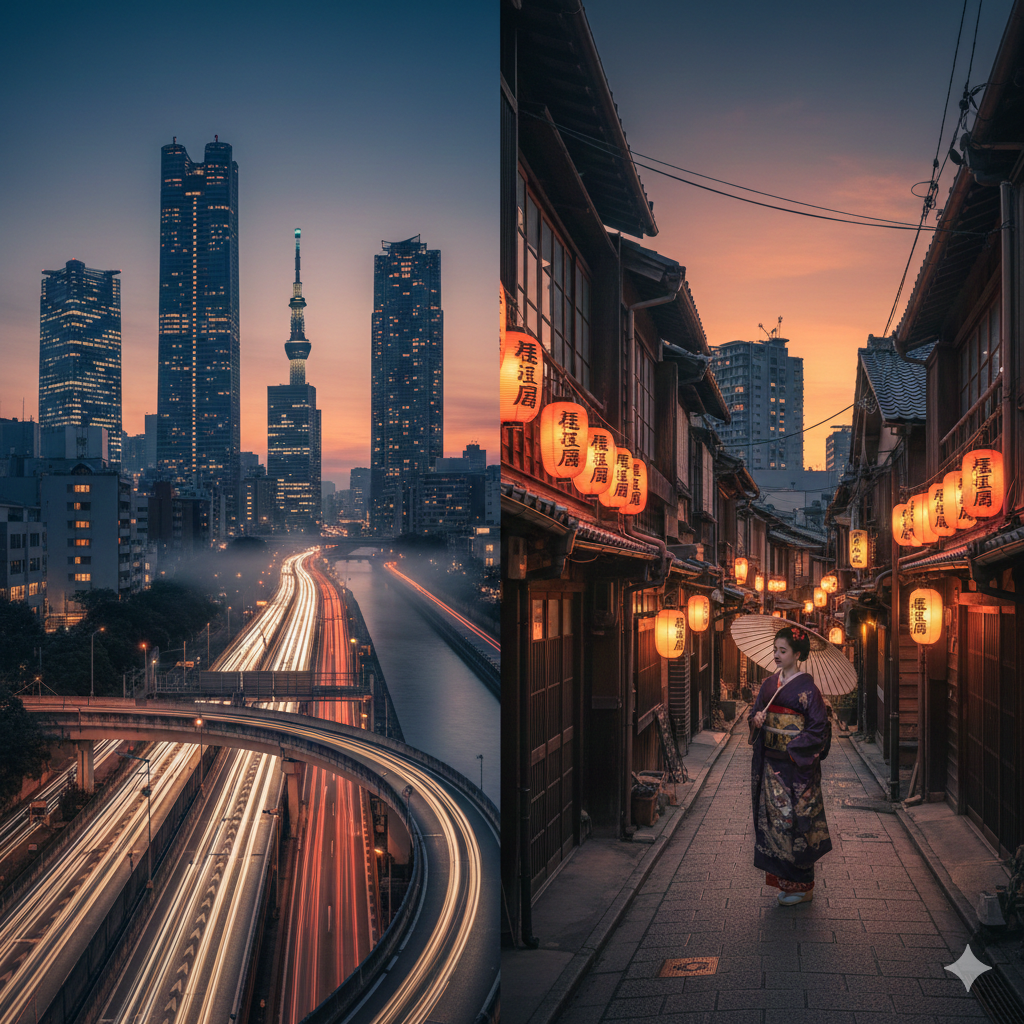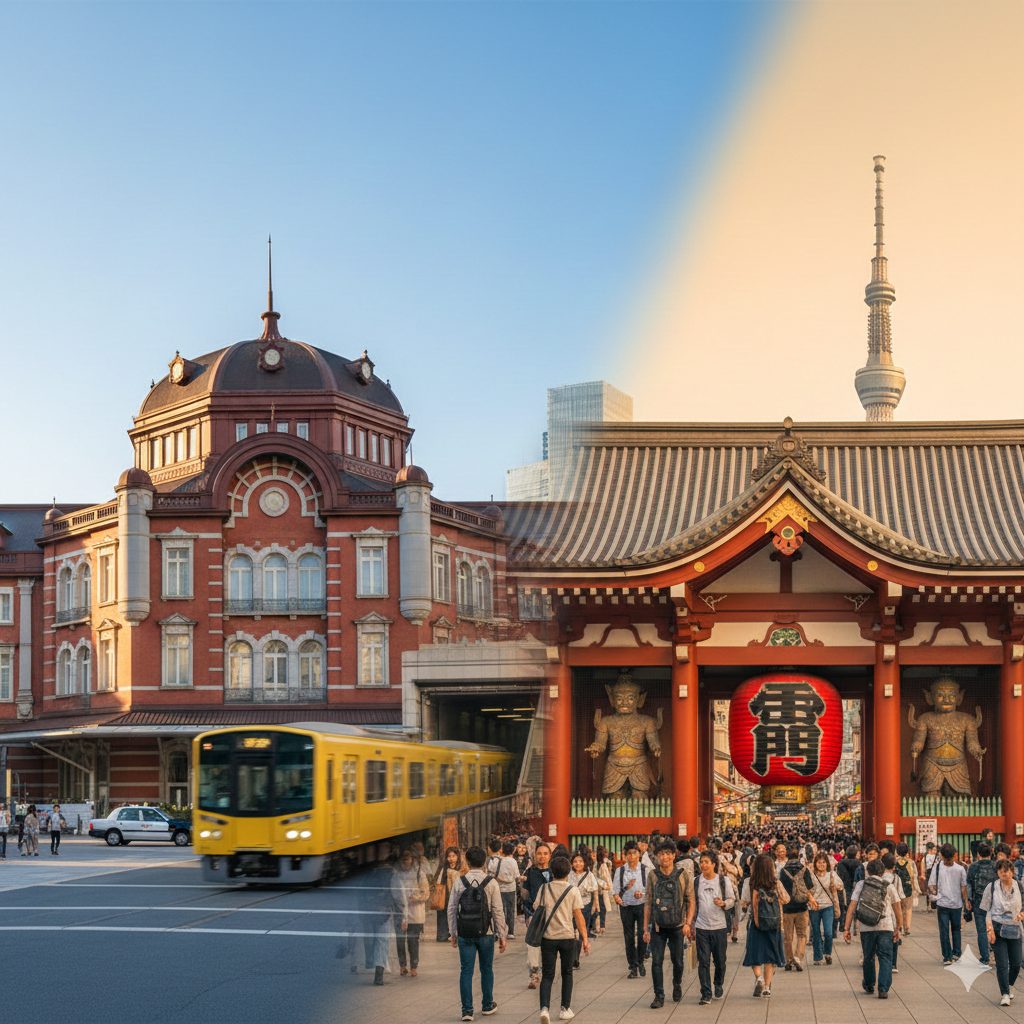
For many international travelers, Tokyo Station is the gateway to the metropolis. While the surrounding Marunouchi district sparkles with modern skyscrapers, a 1,400-year-old soul lies just a short train ride away. Asakusa, the heart of Tokyo’s “Shitamachi” (Old Downtown), offers an immersive journey into Japan’s Edo-period charm.
Effortless Access: From Modernity to Tradition
Reaching Asakusa from Tokyo Station is remarkably simple, making it an ideal destination even for those on a tight schedule.
-
The Fastest Route: Take the JR Yamanote Line (Platform 4) to Kanda Station. From there, transfer to the Tokyo Metro Ginza Line. In total, you will arrive at Asakusa Station in approximately 25 to 30 minutes.
-
The Comfort Factor: Since Asakusa is the terminal station for the Ginza Line, you can often secure a seat on your way back, providing a much-needed rest after a day of exploration.
Must-See Highlights of Asakusa
1. Kaminarimon & Senso-ji Temple
Your journey begins at the Kaminarimon (Thunder Gate), featuring a massive red lantern that has become the symbol of Tokyo. Walking through the gate leads you to Nakamise-dori, one of Japan’s oldest shopping streets. Here, you can sample traditional snacks like Ningyo-yaki (doll-shaped cakes) and browse for authentic crafts. At the end of the path stands Senso-ji, Tokyo’s oldest temple, where the air is thick with the sacred scent of incense.
2. The “Oku-Asakusa” Experience (The Hidden North)
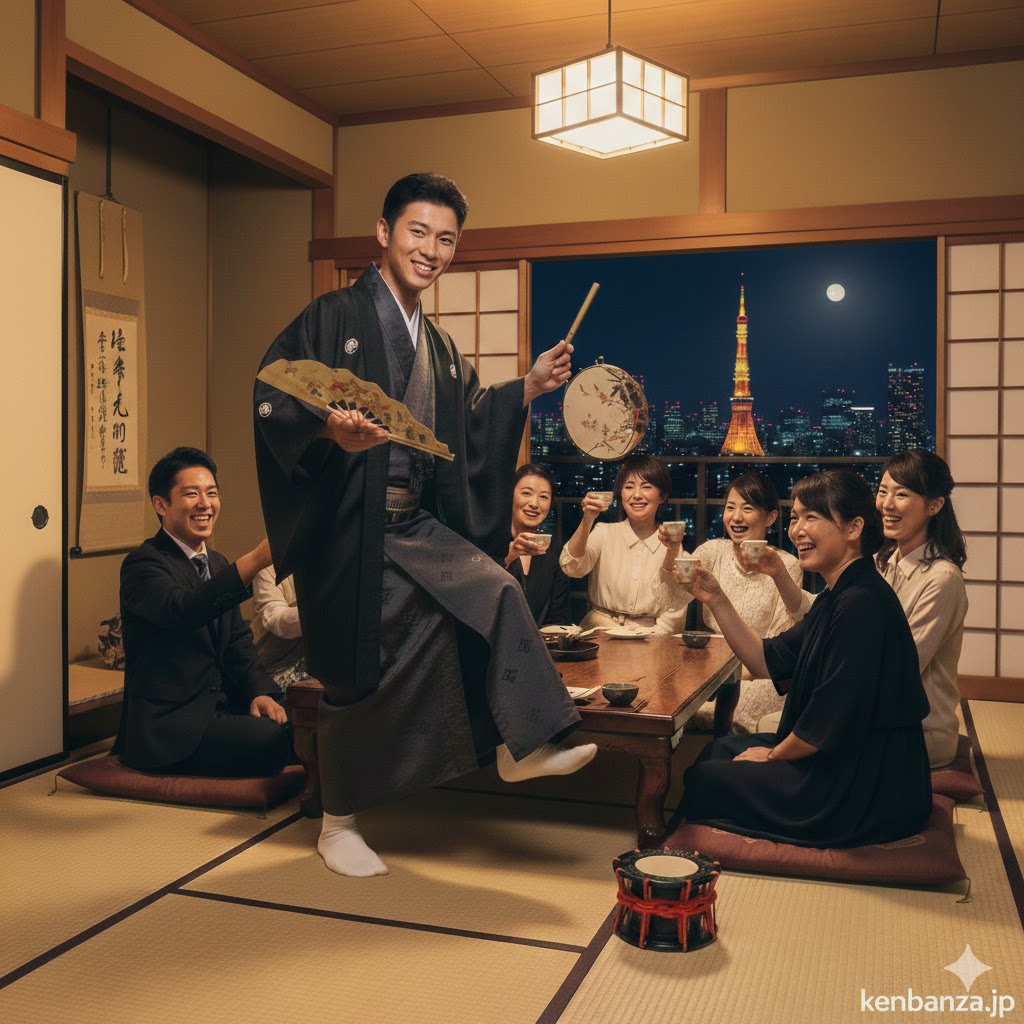
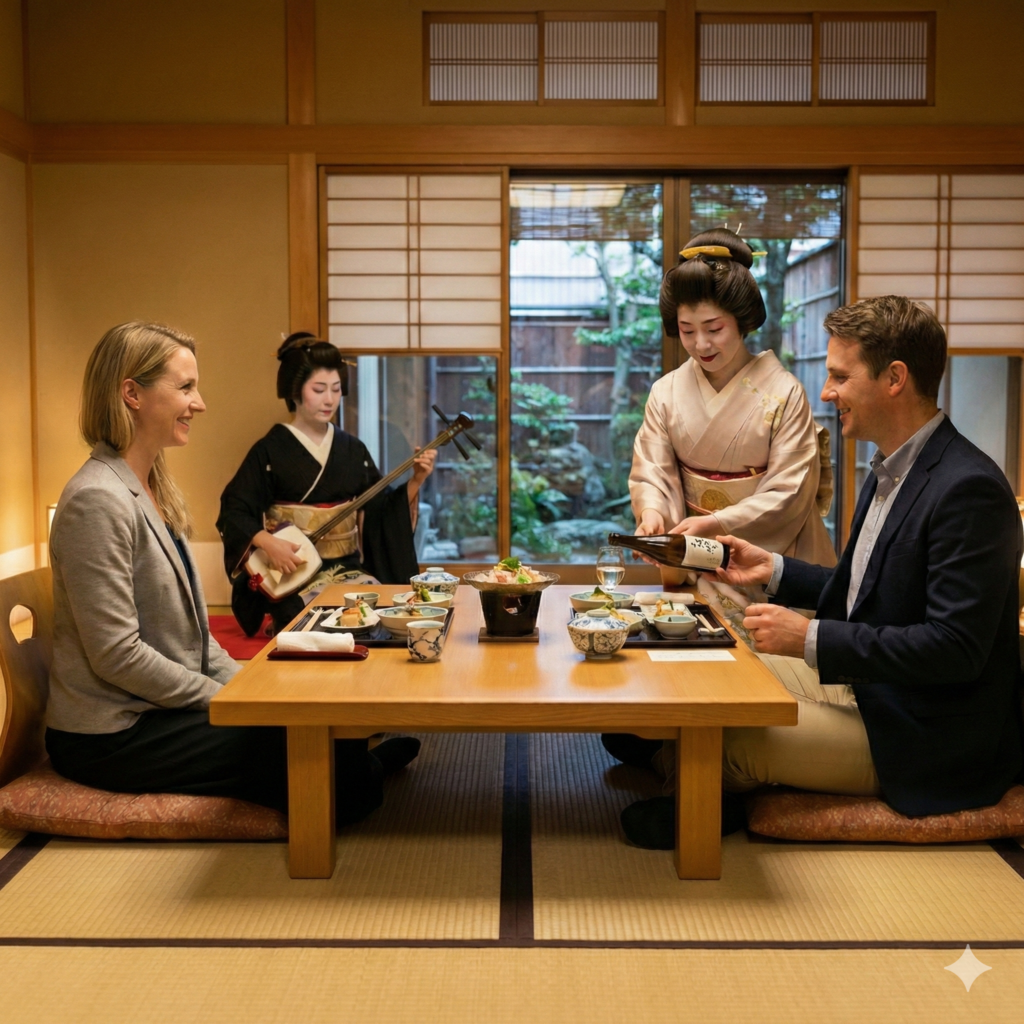
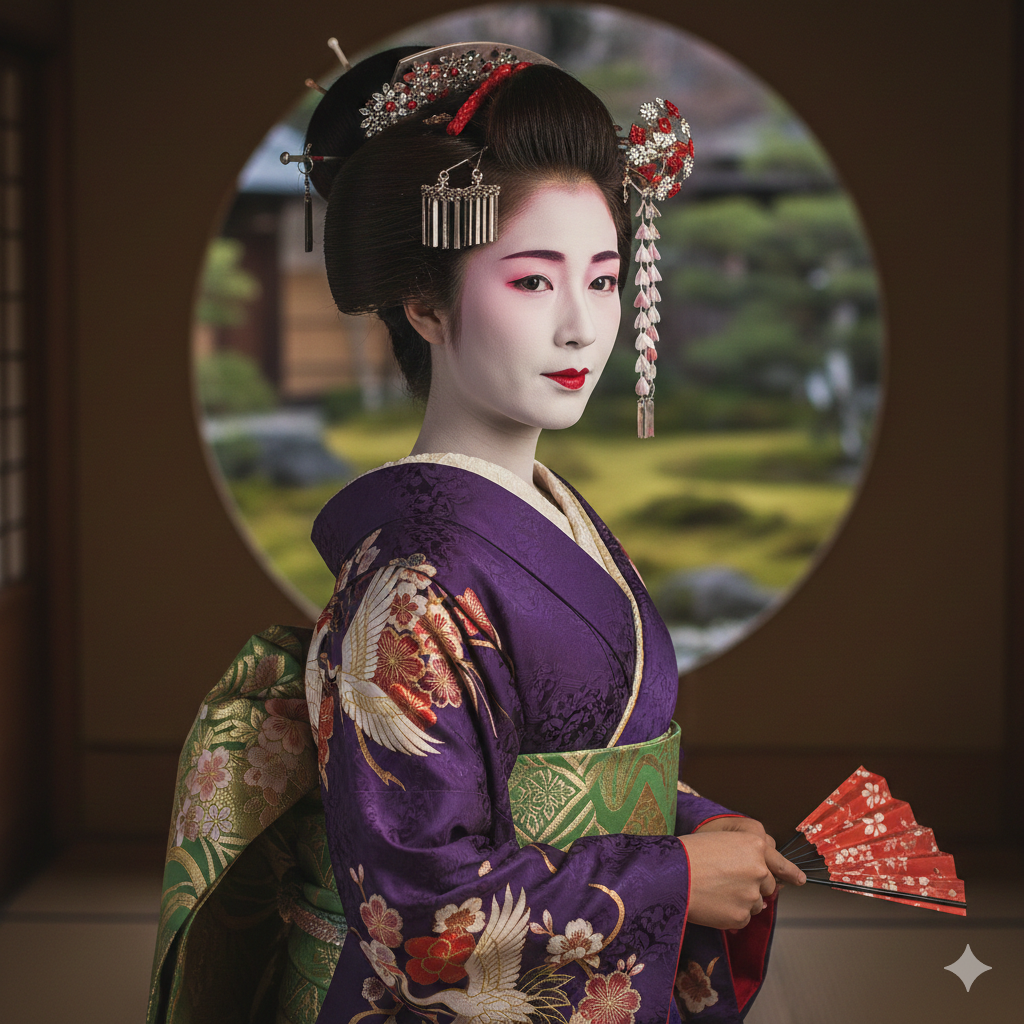
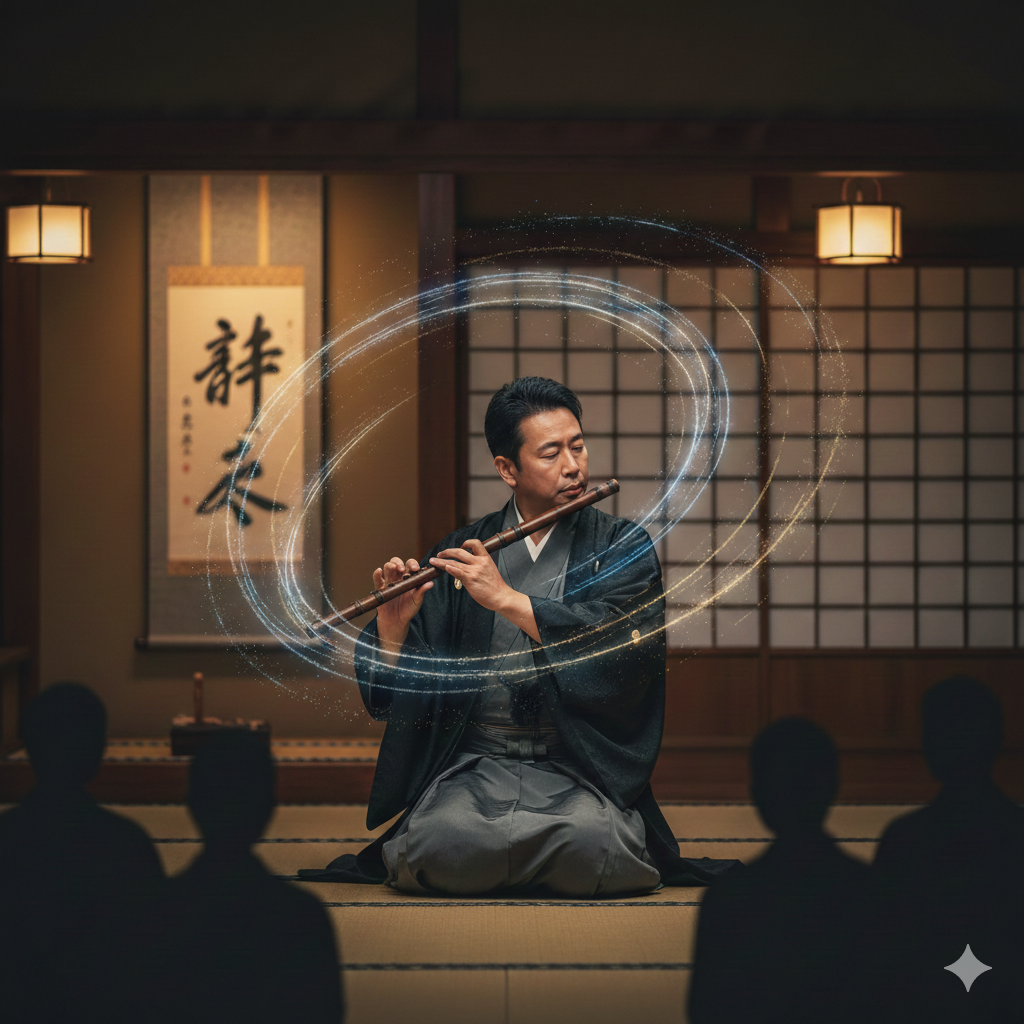
To truly understand the “Kenbanza” spirit, venture behind the main hall of Senso-ji into Oku-Asakusa (North Asakusa). This area is home to the Asakusa Kenban, the headquarters and rehearsal hall for Asakusa’s Geisha. Unlike the crowded tourist spots, these quiet streets offer a glimpse into the sophisticated world of Japanese traditional performing arts. You might even hear the delicate pluck of a shamisen echoing from a nearby rehearsal room.
3. Rickshaw Rides: A View from the Past
For a unique perspective, hop onto a Jinrikisha (Rickshaw). The drivers are not only skilled athletes but also expert storytellers (many speak excellent English). They can whisk you away to hidden alleyways and historic spots that most tourists miss, explaining the deep history of the “Iki” (chic and stylish) culture of the Edo people.
4. The Sumida River Panorama
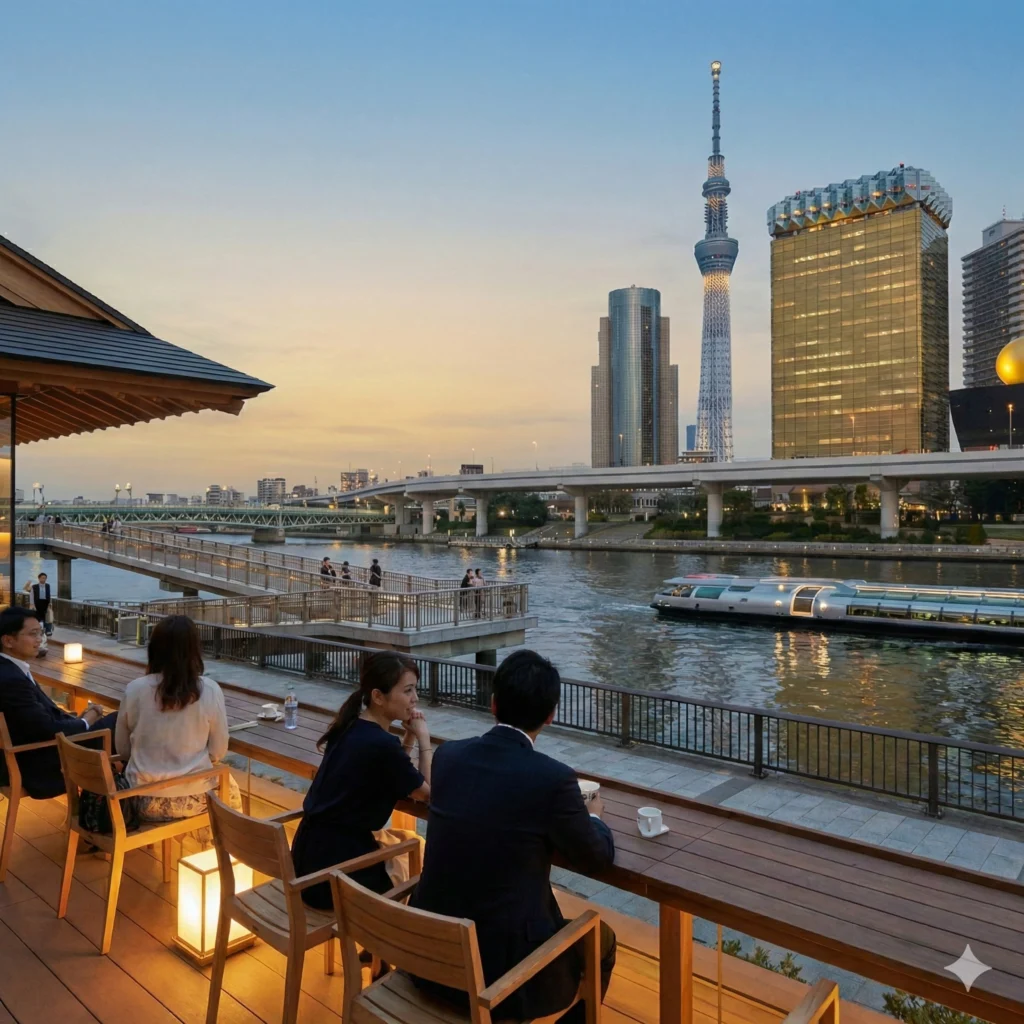
Just a few steps from the station, the Sumida River offers a stunning contrast between the old and the new. You can view the Tokyo Skytree—the world’s tallest broadcasting tower—standing alongside the golden flames of the Asahi Beer Hall, all while traditional water buses glide along the river.
A Final Tip for Travelers
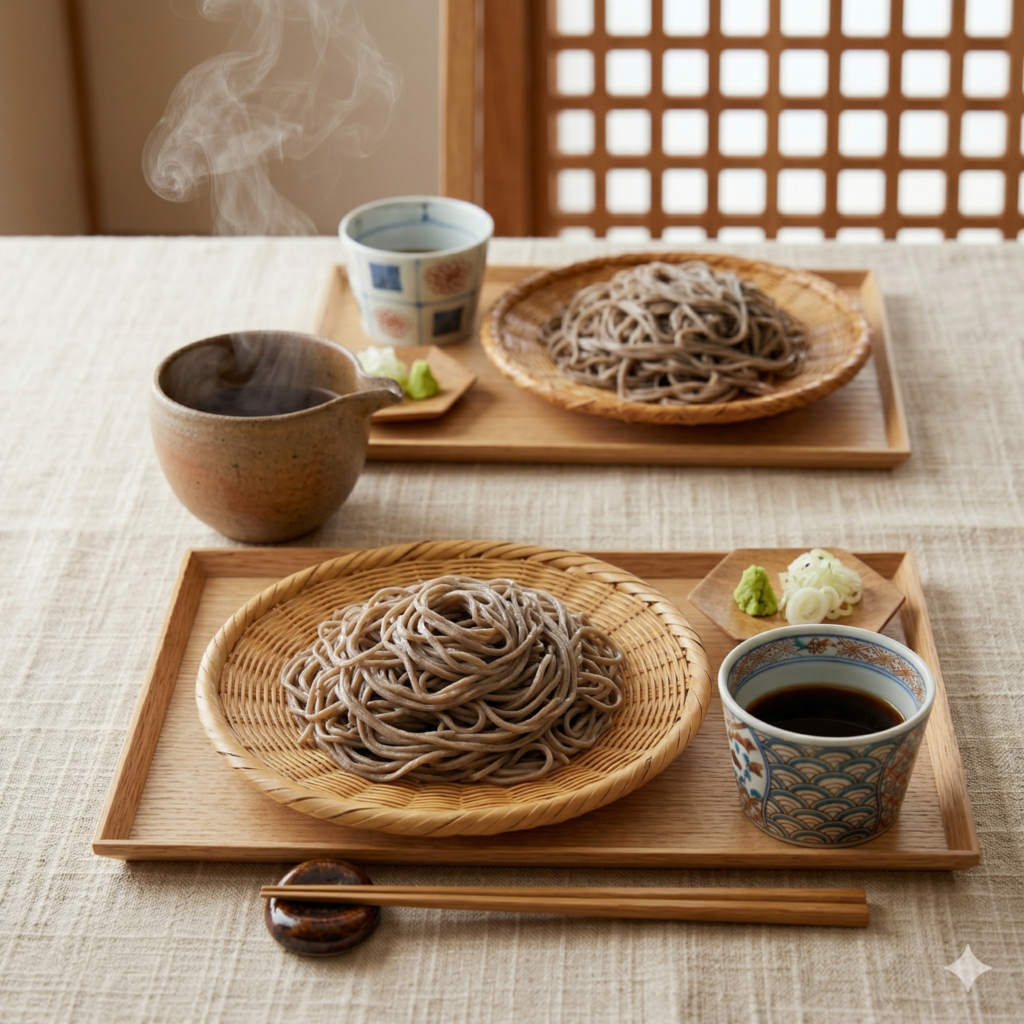
Asakusa is best experienced through its layers. Start with the grand sights of the temple, but leave time to get lost in the narrow side streets of the Geisha district. Whether you are looking for a spiritual experience, a deep dive into history, or the perfect bowl of Edo-style Soba, Asakusa delivers it all within a 30-minute radius of Tokyo Station.
Welcome to the heart of old Tokyo. Welcome to Asakusa.