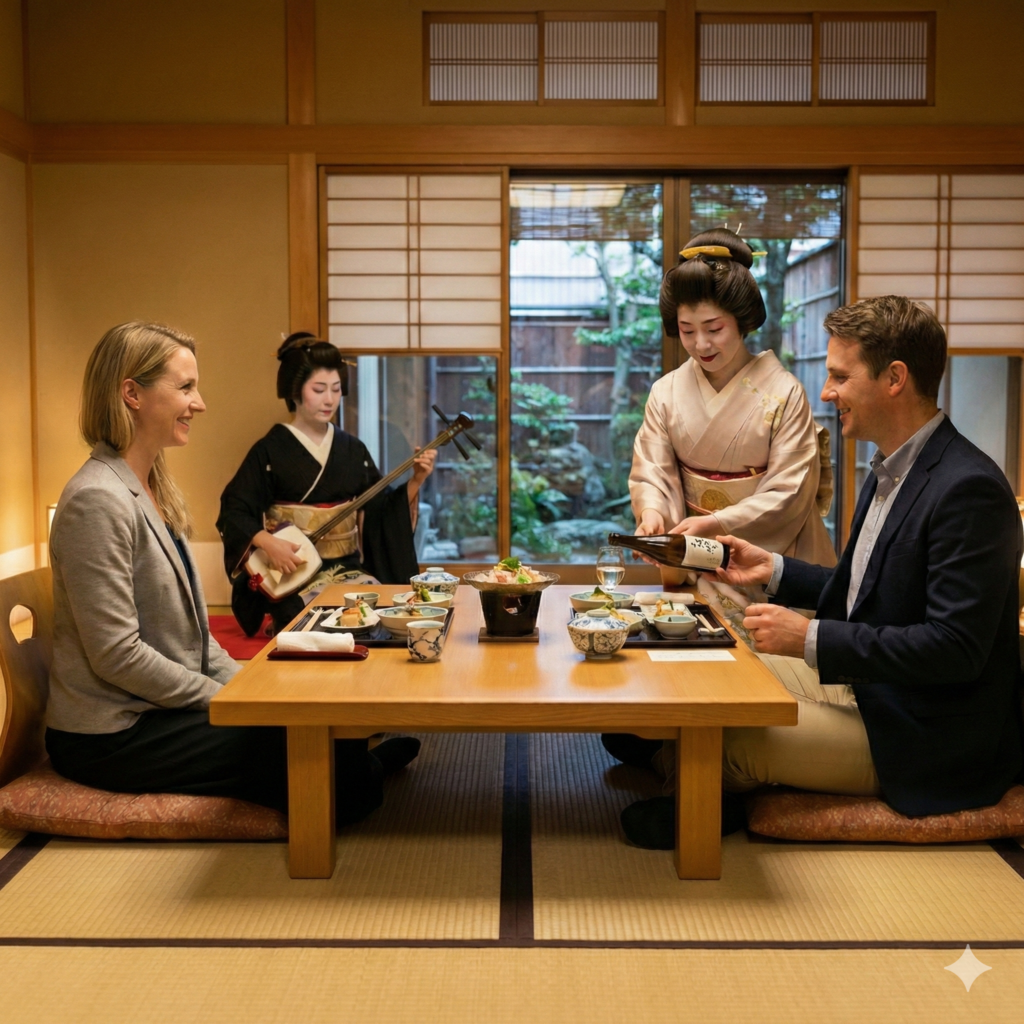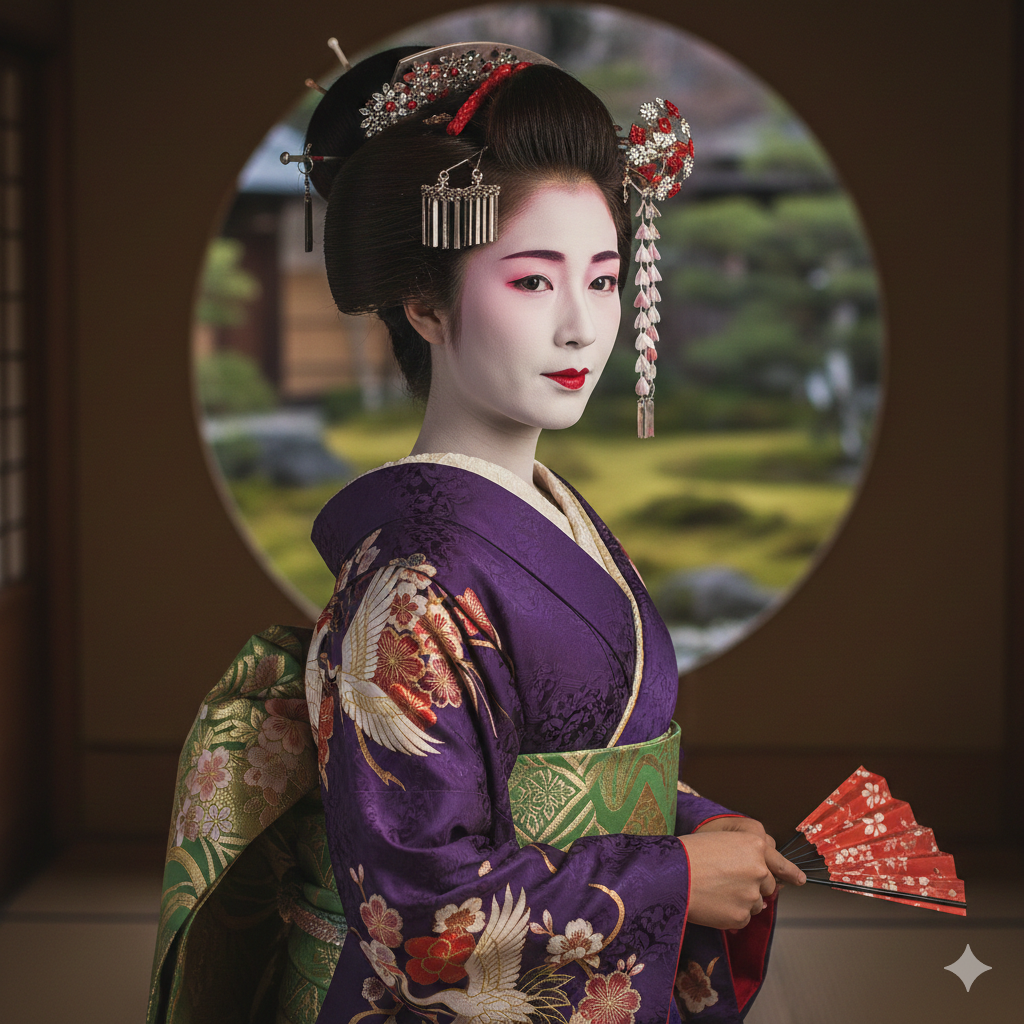
In the labyrinthine streets of Asakusa, where the scent of incense from Senso-ji Temple lingers in the air, lies a world of hidden elegance and centuries-old tradition. For many travelers, the word “Kenban” (見番) is a mystery. Yet, to understand the Geisha culture of Tokyo, one must first understand this essential institution.
What is a Kenban?
Historically, a Kenban serves as the central “hub” or administrative office for the Haryu-kai (the world of the flower and willow—the Geisha community). It is not a theater or a restaurant, but rather the vital engine that keeps the tradition running.
A Kenban traditionally holds three core responsibilities:
-
Registry & Management: It manages the schedules and bookings of Geisha, acting as the bridge between the tea houses (Ochaya) and the performers.
-
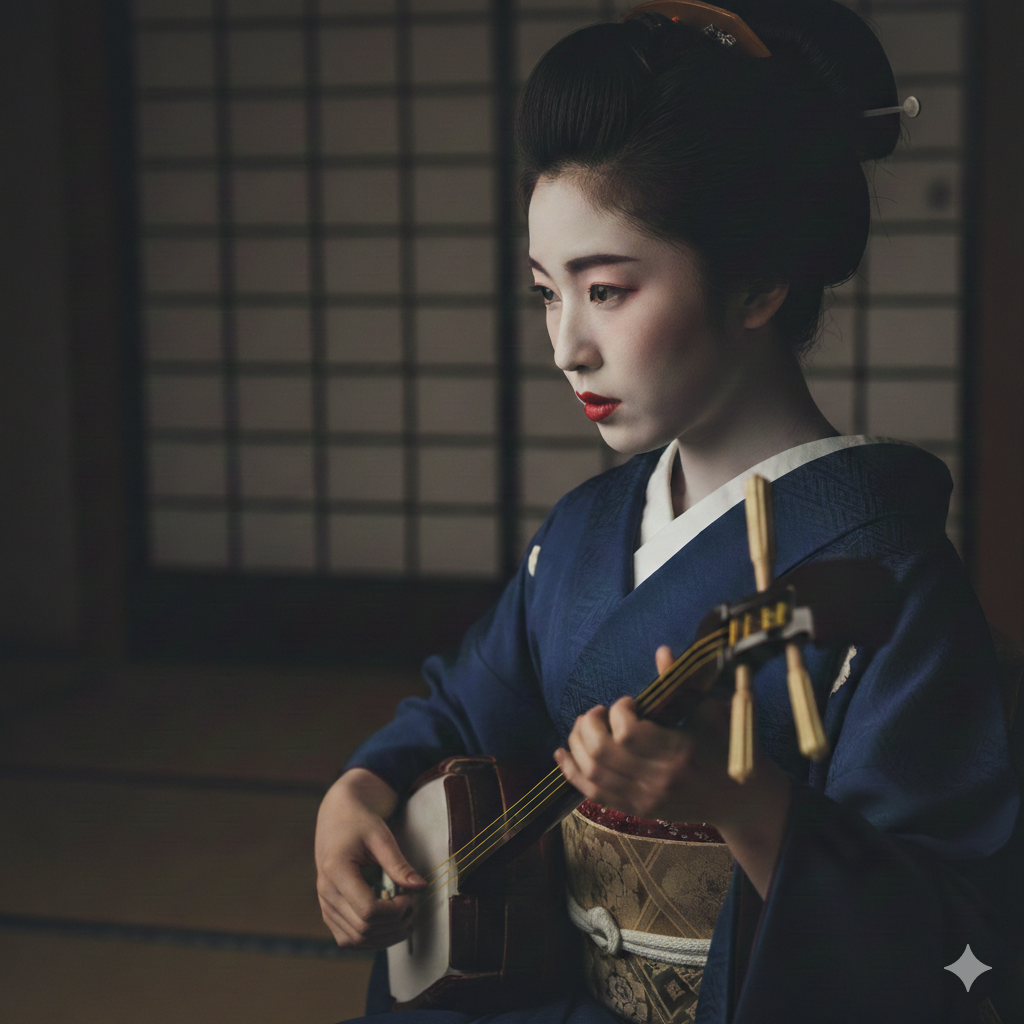
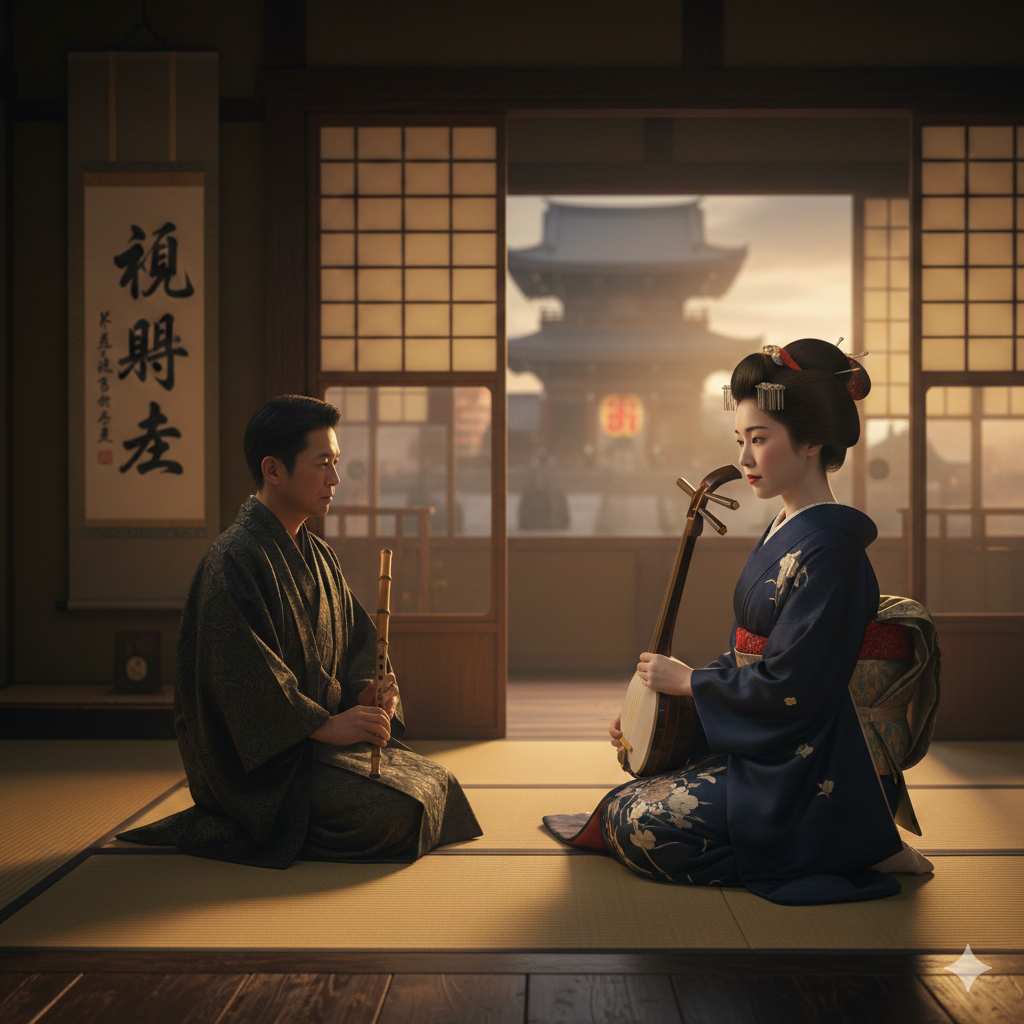
The Academy: It houses the rehearsal halls where Geisha undergo rigorous daily training in classical dance, shamisen, and etiquette.
-
Preservation of Standards: It ensures that the high artistic standards and strict codes of conduct of the Asakusa district are upheld.
For generations, the Kenban has been a “closed” world—a sanctuary for professionals and a gateway for only the most elite patrons.
From Tradition to “Kenbanza”: A New Cultural Hub
While the Kenban remains the guardian of tradition, there is a growing need to bridge this exquisite heritage with the contemporary world. This is where Kenbanza begins its story.
The name “Kenbanza” (見番座) is a deliberate and meaningful fusion. By taking the word Kenban—the historic heart of the Asakusa Geisha district—and adding the suffix Za (座), which translates to “seat,” “troupe,” or “gathering place for performance,” we have created a new concept.
The Meaning Behind Kenbanza
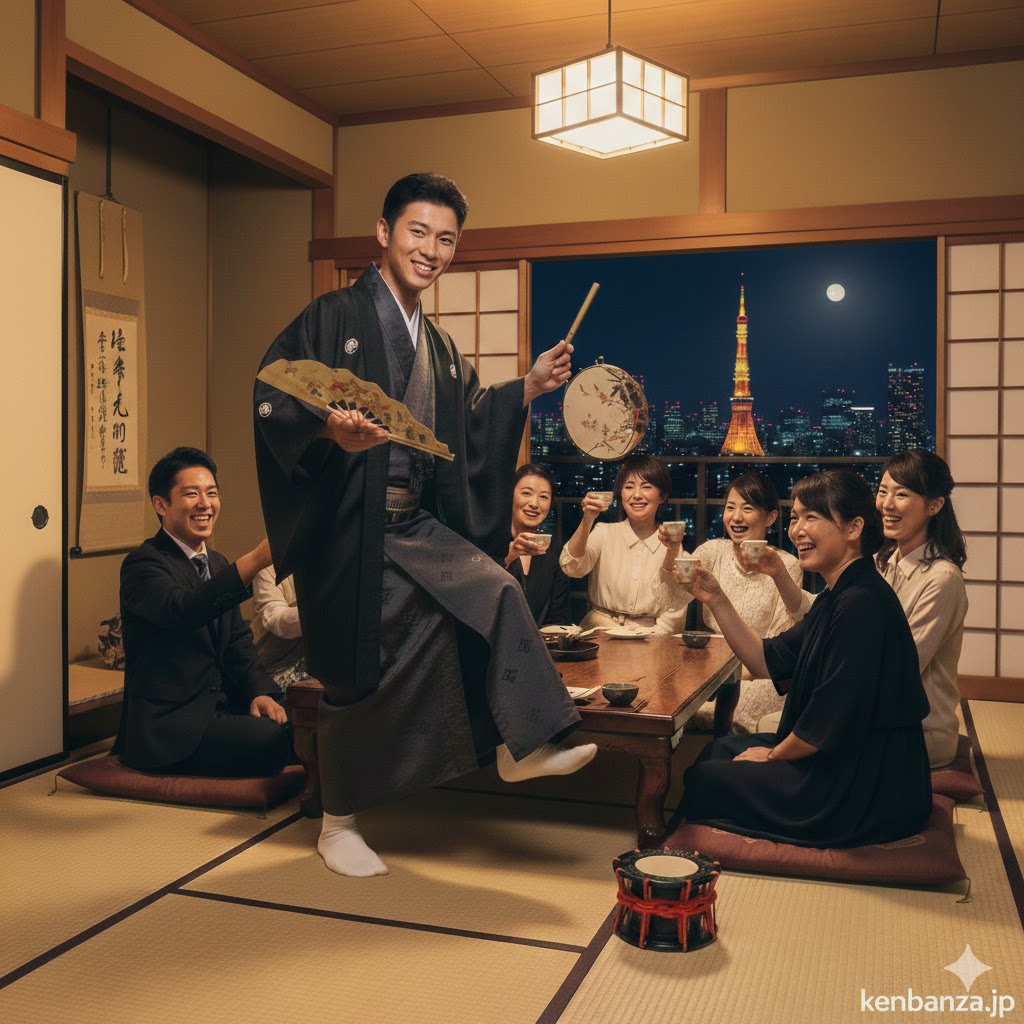
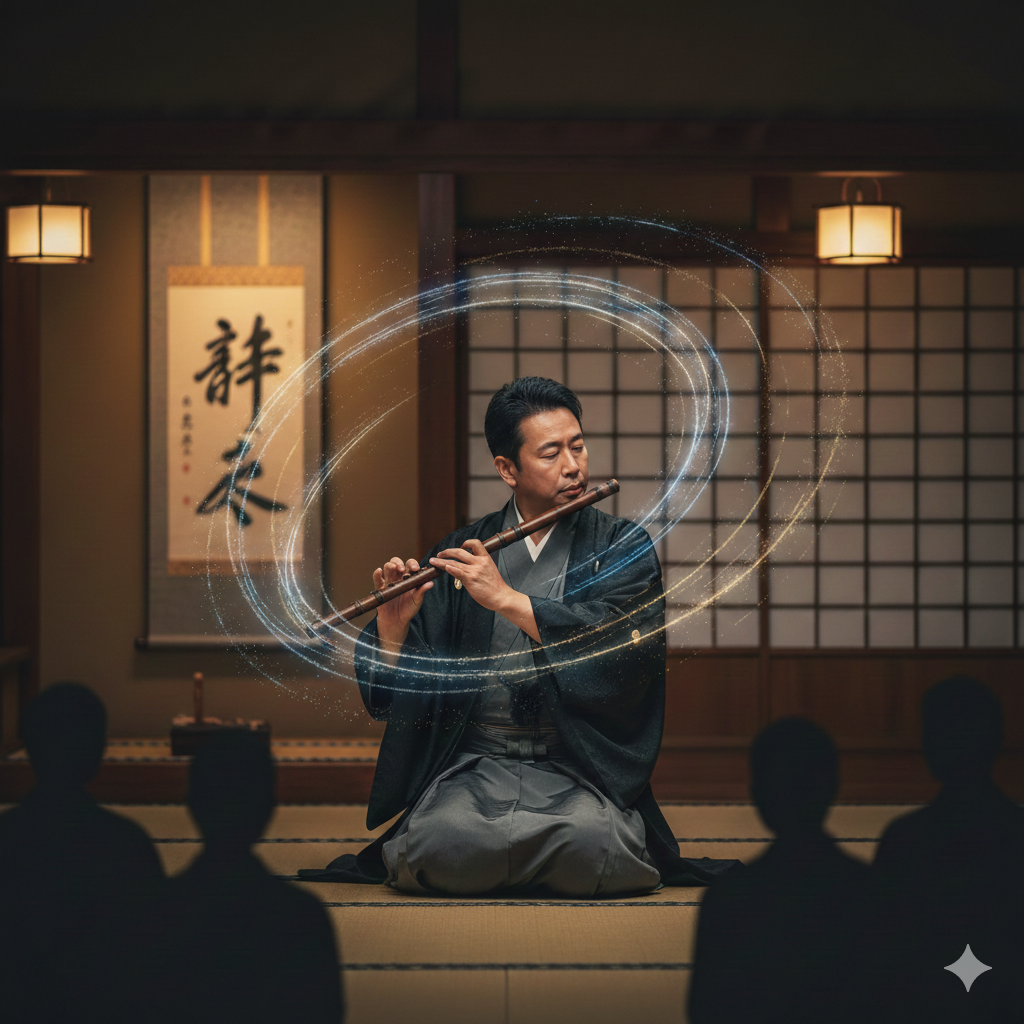
Our name reflects a profound vision: to evolve the traditional “hub” into a dynamic center for cultural revitalization. While the traditional Kenban focuses on the management of Geisha, Kenbanza aims to be a platform where various art forms—especially world-class music, traditional instruments, and fine cuisine—intersect with the world of the Geisha.
We believe that by adding “Za” to the Kenban, we are not just preserving a legacy; we are creating a stage where the refined spirit of the Edo period meets the creative energy of the 21st century. Kenbanza stands as a new cultural hub, dedicated to breathing fresh life into Japanese arts and sharing the authentic “Iki” (chic) spirit of Asakusa with the global community.